
Introduction: The Modern Technology Identity Crisis
This is arguably the most fiercely argued-over question in consumer technology, yet the vast majority of mainstream debates miss the point entirely. People become tribal about smartphone brands in a way that has far more to do with personal identity, social signaling, and habitual comfort than actual hardware specifications. If you ask an ardent Apple enthusiast why they refuse to touch Android, they will wax poetic about iMessage integration and fluid animations. If you ask a dedicated Samsung power user why they wouldn’t be caught dead with an iPhone, they will lecture you about closed-file systems, lack of customization, and restrictive multitasking walls.
So let’s completely skip the exhausted brand loyalty conversation, put aside tribal bias, and talk about what actually matters when you are standing at the retail counter deciding whether to invest your hard-earned money in an Apple iPhone or a Samsung Galaxy flagship.
When you step into the premium smartphone market today, choosing a device is no longer a simple exercise of comparing screen sizes, megapixel counts, and battery capacities. Buying a flagship phone means committing to an entire digital architecture, a user philosophy, a customer service network, and a hardware ecosystem. For years, the global mobile industry has been locked in a high-stakes, multi-billion-dollar duel between two unmatched consumer electronics powerhouses: Apple and Samsung. Each manufacturer represents the absolute peak of modern consumer engineering, yet their underlying approach to software design, hardware customization, ecosystem continuity, privacy architecture, and user experience could not be more distinct.
As we evaluate the mobile landscape in 2026, the decision goes far beyond comparing raw processor benchmarks or camera zoom lenses. The true question is: Which tech empire deserves to anchor your daily life?
Apple’s iPhone lineup continues to define industry benchmarks for custom silicon performance, vertical hardware-software integration, privacy-first computing, and incredible long-term residual value. Meanwhile, Samsung’s Galaxy S and Z foldable series represent the bleeding edge of physical hardware innovation, offering breathtaking OLED displays, versatile multi-lens camera systems, integrated S Pen productivity, and the open customization of Android fused with advanced Galaxy AI capabilities.
Deciding between an iPhone and a Samsung Galaxy requires peeling back the marketing gloss to examine how these devices perform across daily productivity, gaming, professional photography, battery endurance, and long-term financial value. In this exhaustive, deep-dive analysis, we will deconstruct every critical facet of the Apple versus Samsung rivalry in simple, clear English. For broader industry context on semiconductor trends and global mobile market shifts, you can explore reports via The Verge Mobile Desk alongside market analyses from Counterpoint Research and expert device testing at My Tech Hub Mobile Tech Portal.
1. The Core Philosophy: Vertical Integration vs. Open Ecosystem Diversity
To truly understand why Apple and Samsung phones feel, behave, and age so differently, you must examine the foundational corporate philosophy driving each organization.
Apple operates on a strict model of tight vertical integration. Apple designs the physical titanium and glass chassis, manufactures the custom A-series and M-series mobile processors, writes the proprietary iOS operating system from the ground up, builds the display panels, and engineers all proprietary software frameworks. Because Apple controls every single variable from the raw silicon up to the final user interface, iPhones achieve legendary system optimization. Hardware and software speak the exact same language, resulting in buttery-smooth animations, incredible energy efficiency, and flawless app responsiveness even when packing smaller physical battery capacities on paper.
Samsung, by contrast, acts as the undisputed hardware powerhouse of the broader Android ecosystem. While Samsung designs the gorgeous Dynamic AMOLED displays used across much of the mobile industry (supplying screens to Apple as well), its smartphones run Google’s Android operating system heavily customized with Samsung’s proprietary One UI interface.
Philosophy Comparison:
- Apple (The Walled Garden): Prioritizes absolute consistency, security through sandboxing, minimalist aesthetic design, long-term software support, and seamless cross-device continuity across Macs, iPads, Apple Watches, and iPhones.
- Samsung (The Open Powerhouse): Prioritizes hardware variety, multi-window multitasking, deep software customization, foldable screen innovation, file-management flexibility, and open integration with both Windows PCs and Android devices.
For insights into how open platforms evolve over time, read Android Developers Portal or explore software philosophy on My Tech Hub Software Directory.
2. Design, Build Quality, and Materials: Premium Craftsmanship Compared
When you pull a flagship phone out of your pocket, tactile feel, structural durability, and ergonomic balance matter enormously. Both Apple and Samsung utilize aerospace-grade materials, premium glass backs, and ultra-tough ceramic shield front covers, but their design languages evoke distinct personalities.
Apple’s Industrial Refinement
Apple’s flagship Pro models embrace flat titanium rails, micro-textured matte glass backs, and symmetrical bezels. The aesthetic is industrial, clean, and utilitarian. Apple focuses on ergonomic weight distribution and precise corner radii, making the devices feel dense, solid, and incredibly durable in the hand. The Action Button and Camera Control capacitive buttons add physical utility without cluttering the clean lines.
Samsung’s Sleek Ergonomics
Samsung’s Galaxy S Ultra lineup blends premium aluminum or titanium frames with slightly curved or precisely flattened glass edges that maximize screen estate while maintaining a comfortable grip. Samsung excels at bezel minimization, delivering expansive, immersive displays that appear to stretch endlessly from edge to edge. Furthermore, Samsung leads the industry in innovative form factors through its Galaxy Z Fold and Z Flip foldable devices, offering futuristic flexibility that Apple has yet to match in a commercial handset.
3. Display Technology: Who Wins the Screen Wars?
It is a well-known industry secret that Samsung Display manufactures many of the OLED panels used in Apple’s iPhones. However, how each company tunes, calibrates, and utilizes those panels creates a noticeable difference in real-world viewing experiences.
Apple’s True-to-Life Color Science
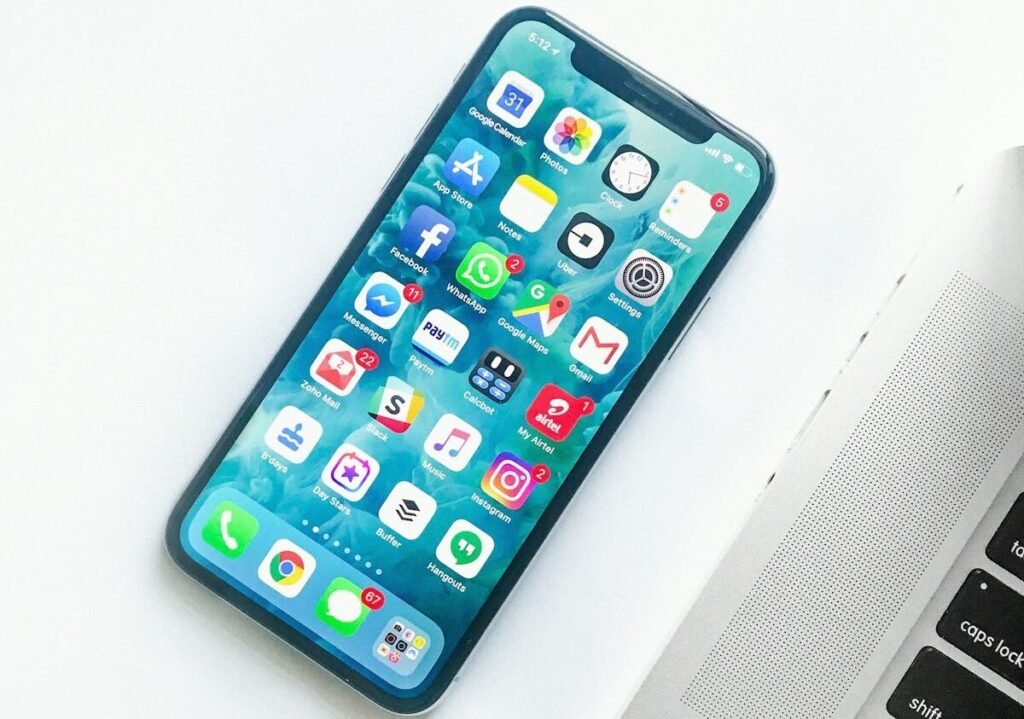
Apple’s Super Retina XDR displays are celebrated for industry-leading color accuracy, peak outdoor brightness (often exceeding 2,000 to 3,000 nits in direct sunlight), and True Tone technology, which automatically adjusts white balance to match your ambient room lighting. Text rendering is crisp, and HDR video playback on Apple devices handles shadows and highlights with remarkable cinematic fidelity.
Samsung’s Punchy Vibrancy and Anti-Reflective Mastery
Samsung displays are famous for delivering rich, saturated colors, deep inky blacks, and extreme contrast ratios that make photos and games pop with vivid energy. Moreover, Samsung has pioneered advanced anti-reflective screen glass on its flagship Ultra models, drastically cutting down annoying overhead glare and reflections compared to standard glossy glass. If you frequently use your phone outdoors under harsh sunlight, Samsung’s anti-reflective coating is a massive quality-of-life advantage. For further technical analysis on mobile display science, check out resources via DisplayMate Technologies or tech guides on My Tech Hub Hardware News.
4. Performance, Processing Power, and Custom Silicon
Underneath the glass and metal chassis, mobile processors dictate how fast apps launch, how smoothly games render, and how efficiently artificial intelligence tasks are computed.
Apple’s Silicon Dominance (A-Series Chips)
Apple’s custom A-series system-on-a-chip (SoC) architecture continues to hold a commanding lead in raw single-core and multi-core CPU benchmarks. Built on cutting-edge semiconductor nodes, Apple silicon delivers desktop-class performance while consuming remarkably little battery power. Whether you are exporting 4K ProRes video timelines inside LumaFusion or running heavy ray-traced mobile games, iPhones handle punishing computational workloads with effortless thermal stability.
Samsung’s Versatile Processing (Snapdragon & Exynos)
Samsung equips its flagship Galaxy S series with top-tier Qualcomm Snapdragon processors (or region-specific Exynos chips). These processors feature blistering multi-threaded performance, robust graphics engines, and dedicated Neural Processing Units (NPUs) optimized for on-device artificial intelligence. While benchmark numbers sometimes favor Apple in raw computational speed, real-world speed tests reveal virtually zero perceptible difference in daily app launching, multitasking, or web browsing.
5. Camera Systems and Computational Photography Showdown
For most consumers, the smartphone camera is the single most important hardware feature. Both Apple and Samsung offer phenomenal camera arrays, but their computational photography pipelines produce distinctly different visual styles.
iPhone Photography: Natural Realism and Cinematic Video
- Color Science: Apple prioritizes true-to-life color reproduction, natural skin tones, and balanced dynamic range. Photos look authentic to what your eyes see in person.
- Video Recording: The iPhone remains the undisputed king of mobile videography. Features like Cinematic Mode, ProRes recording, Log-profile color grading, and flawless audio capture make iPhones the primary tool for mobile journalists, content creators, and indie filmmakers.
- Smart HDR: Apple’s image pipeline captures multiple exposures simultaneously, freezing motion and balancing harsh background lighting instantly.
Samsung Galaxy Photography: Versatile Zoom and Vivid Payouts
- Zoom Mastery: Samsung’s Ultra models feature incredible periscope telephoto lenses offering 5x, 10x, and up to 100x Space Zoom. If you love capturing distant subjects, sporting events, or wildlife, Samsung’s optical zoom hardware crushes the iPhone.
- Vibrant Aesthetics: Samsung’s color tuning leans slightly more vibrant and punchy, making skies bluer and sunsets warmer straight out of the camera—ideal for immediate social media sharing.
- Expert RAW and Nightography: Samsung offers robust manual pro controls and exceptional low-light stitching algorithms that pull incredible detail out of pitch-black scenes.
6. Artificial Intelligence: Apple Intelligence vs. Galaxy AI
Artificial intelligence has become the primary battleground for smartphone dominance. Both tech giants have deeply integrated machine learning features directly into their mobile operating systems.
Galaxy AI (Samsung & Google)
Samsung was an early aggressive adopter of generative AI features via its Galaxy AI suite. Key capabilities include:
- Live Translate: Real-time two-way voice translation during phone calls across different languages.
- Circle to Search: Instantly search for anything on your screen by simply drawing a circle around it with your finger or S Pen.
- Generative Photo Editing: Erase unwanted background objects, straighten crooked horizons, and fill in missing photo borders using AI generative background inpainting.
Apple Intelligence
Apple approaches AI with a strong emphasis on on-device privacy and practical utility. Apple Intelligence focuses on streamlining daily communication:
- Writing Tools: System-wide proofreading, rewriting tone adjustments, and automatic email/text summarization.
- Clean Up Tool: Removing distracting background clutter from your photo gallery with a single tap.
- Siri Overhaul: A deeply integrated, context-aware assistant capable of understanding personal context across your apps, messages, and emails.
7. Battery Life, Charging Speeds, and Power Management
When you are away from an outlet all day, battery endurance and charging speeds are critical metrics.
Battery Endurance
Thanks to the extreme power efficiency of Apple’s custom silicon, iPhones consistently punch above their weight class, delivering all-day battery life even with smaller physical battery cells. Samsung’s Ultra models counter with massive 5,000 mAh+ batteries that easily match or exceed iPhone longevity during heavy media streaming.
Charging Speeds
- Samsung Wins on Speed: Samsung supports fast wired charging up to 45W on flagship models, refueling a dead battery significantly faster than Apple’s standard wired limits.
- Wireless Charging: Both ecosystems support robust wireless charging standards, including MagSafe/Qi2 magnetic alignment ecosystems on iPhones and fast wireless charging pads on Galaxy devices.
8. Software Ecosystems: iOS vs. One UI (Android)
Your choice of operating system defines your daily interaction with your device.
Apple iOS: Simplicity and Elegance
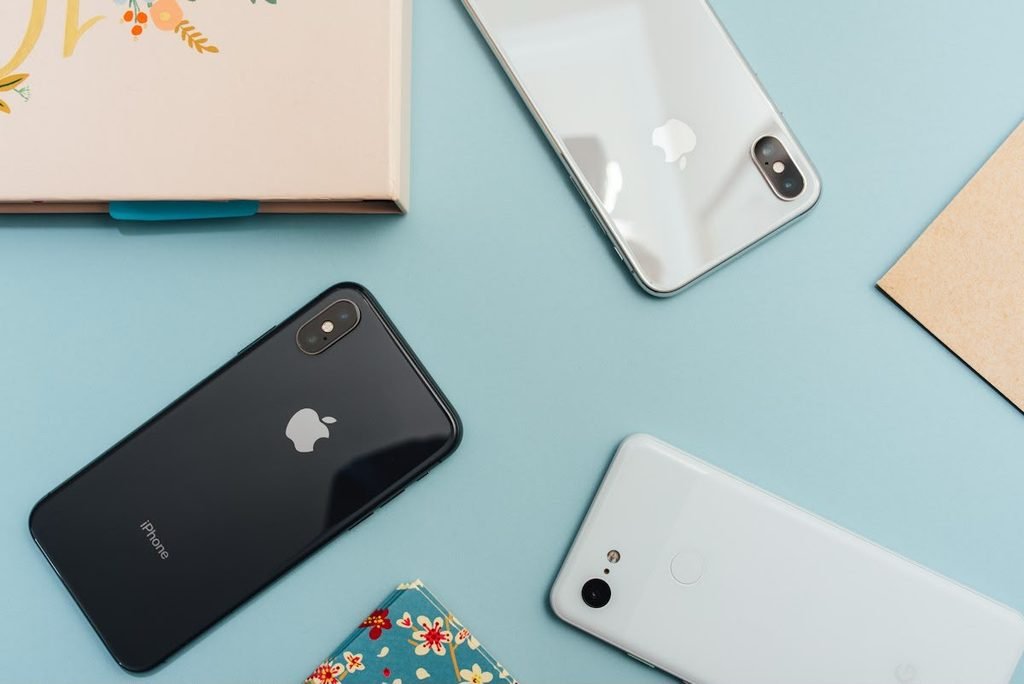
iOS is celebrated for its intuitive learning curve, minimalist aesthetic, rock-solid security sandboxing, and rigorous app store quality control. If you want an operating system that simply stays out of your way and works reliably without requiring endless menu tweaking, iOS is unmatched.
Samsung One UI: Customization and Multitasking
One UI is the most feature-rich Android skin on the market. It offers granular home screen customization, split-screen multitasking, floating app windows, robust file management, and sideloading freedom. If you love tweaking themes, organizing custom icon packs, and running two apps simultaneously on one screen, Samsung offers an open playground. For deeper software comparisons, explore reviews via Engadget Mobile Desk or tutorials on My Tech Hub Software Directory.
9. Price, Depreciation, and Long-Term Value Retention
Smartphones are major financial investments, making resale value and upgrade cycles vital economic considerations.
- Resale Value: iPhones retain their secondary market trade-in value significantly better than almost any Android competitor. A three-year-old iPhone Pro still commands an impressive percentage of its original retail price.
- Software Support: Both Apple and Samsung now commit to 7 years of major OS and security updates on their flagship devices, ensuring your hardware remains secure and modern well into the 2030s.
10. Flagship Pricing Reference Guide
To help you compare the cost of current Apple and Samsung flagship models, review the price breakdown below:
| Smartphone Model | Storage Tier | Estimated Launch Price (USD) | Primary Target Buyer |
|---|---|---|---|
| Apple iPhone 17 | 256 GB | $799 – $899 | Everyday users wanting standard flagship features |
| Apple iPhone 17 Pro | 256 GB | $1,099 – $1,199 | Content creators and mobile video professionals |
| Apple iPhone 17 Pro Max | 256 GB / 512 GB | $1,199 – $1,399+ | Users wanting maximum screen size and battery |
| Samsung Galaxy S26 | 256 GB | $799 – $849 | Users wanting a compact, powerful Android phone |
| Samsung Galaxy S26 Plus | 256 GB | $999 – $1,049 | Users wanting a larger screen without Ultra bulk |
| Samsung Galaxy S26 Ultra | 256 GB / 512 GB | $1,299 – $1,499 | Power users, zoom photography fans, & S Pen users |
| Samsung Galaxy Z Fold 8 | 512 GB | $1,799 – $1,899 | Early adopters wanting a tablet-phone hybrid |
11. Summary Comparison Table: Apple vs. Samsung Flagships
| Feature Category | Apple iPhone Flagship | Samsung Galaxy Ultra / Foldable | Winner |
|---|---|---|---|
| Processor Performance | Industry-leading single/multi-core A-series silicon | Blazing-fast Snapdragon / Exynos with heavy NPU power | Apple |
| Display Anti-Glare | Standard high-brightness OLED | Advanced anti-reflective optical glass coating | Samsung |
| Video Recording | Unmatched ProRes, Cinematic, and stabilization | Excellent 8K capture, good stabilization | Apple |
| Optical Zoom Range | 5x optical telephoto | 5x to 10x optical + up to 100x Space Zoom | Samsung |
| Productivity & Multitasking | Clean window management, Stage Manager on iPad | Split-screen apps, floating windows, S Pen stylus | Samsung |
| Ecosystem Continuity | Flawless cross-device handoff (Mac, iPad, Watch) | Great with Windows PCs and Galaxy tablets | Apple |
| Resale Value | Exceptional secondary market depreciation resistance | Moderate depreciation over 2–3 years | Apple |
Frequently Asked Questions (FAQ)
Q1: Is it hard to switch from Samsung (Android) to Apple (iOS)?
A: Not at all. Apple provides a free, official “Move to iOS” app on the Google Play Store that securely transfers your contacts, message history, photos, calendar events, and Google accounts over Wi-Fi during initial setup.
Q2: Do Samsung phones take better photos than iPhones?
A: It depends on what you are shooting. Samsung wins decisively when photographing distant subjects using its powerful zoom lenses and when capturing punchy, vibrant scenes. Apple wins consistently in moving video capture, portrait subject isolation, and natural color accuracy.
Q3: Which ecosystem is better for business and office work?
A: Both are exceptional, but Samsung holds an edge for multi-window multitasking and file management, while Apple wins for secure corporate device management (MDM) and seamless handoff between MacBooks and iPhones.
Conclusion: Which One Should You Buy?
Ultimately, the battle between Apple and Samsung in 2026 is not about declaring a universal winner—it is about aligning hardware with your personal workflow.
- Buy an iPhone if you already use a Mac or iPad, value video creation, prioritize long-term resale value, and want a streamlined, highly secure operating system that simply works without friction.
- Buy a Samsung Galaxy if you love expansive, glare-free displays, demand incredible optical zoom versatility, enjoy deep Android customization, or want the productivity benefits of an integrated S Pen and split-screen multitasking.
Evaluate your existing tech gear, your budget, and your daily habits, and choose the ecosystem that makes your digital life simpler, faster, and more enjoyable.