
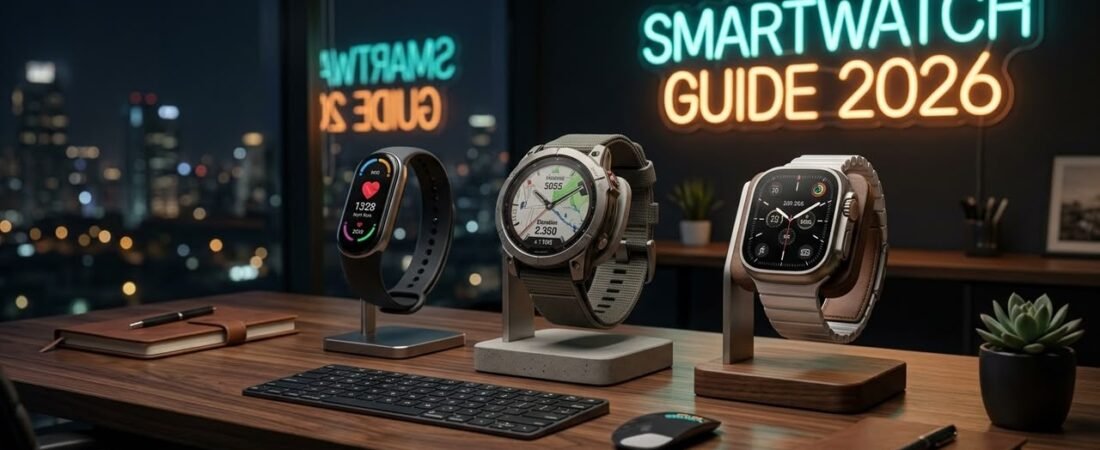
Smartwatches have moved from fancy toys to practical tools — but entering the world of smartwatches for the first time can feel confusing. There are fitness trackers, stand-alone smartwatches, hybrid smartwatches, cheaper models, and high-end devices that cost more than some laptops.
This article is meant to help those who want to know exactly what they’re paying money for before purchasing something they may put aside in a drawer for an indefinite period of time. Once they start exploring smartwatches, customers often get lost in the sea of specialized terms, various prices, and contradictory recommendations regarding wellness tracking, batteries, or interoperability.
Are you a dedicated athlete tracking marathons through rugged mountain trails, a busy professional managing urgent text messages and calendar alerts during back-to-back meetings? Every user profile demands a completely different set of hardware features, software environments, and physical designs. Furthermore, understanding critical factors like built-in GPS accuracy, continuous heart rate precision, optical screen brightness, and mobile operating system lock-in prevents costly purchasing mistakes. In this extensive guide, we will break down every essential consideration, examine how different price brackets perform in real-world conditions, and help you select a wearable device that fits your wrist, your phone, and your personal lifestyle seamlessly without any buyer’s remorse.
1. Defining Your Goal: What Do You Actually Want It to Do?
This sounds simple, but the majority of buyers skip this critical question and end up purchasing the wrong tool for their routine. Smartwatch buyers generally fall into three distinct categories:
- The Fitness Tracker Buyer: This user wants reliable step counts, continuous heart rate monitoring, automatic sleep tracking, and basic GPS tracking for outdoor runs. They prioritize long battery endurance over flashy app marketplaces.
- The Connected Device Buyer: This user wants to see real-time smartphone notifications, reply to text messages from their wrist, run third-party apps, control music playback, and make contactless mobile payments. For iPhone users, the Apple Watch is the natural fit; for Android users, the Samsung Galaxy Watch is the gold standard.
- The Athlete or Outdoor Adventurer: This user demands military-grade rugged build quality, extreme GPS accuracy, multi-sport training metrics, offline topographic mapping, and multi-week battery life. Brands like Garmin dominate this category completely.
For deeper insights into matching wearables to your lifestyle, check out resources via My Tech Hub Mobile Tech Portal or read device testing reports on The Verge Mobile Desk.
2. Battery Life: The Specification Everyone Underestimates
Apple Watches are celebrated as some of the most polished smartwatches on earth, yet they traditionally require a nightly recharge.If you tend to be someone who often forgets to charge your devices or wishes to wear them overnight for sleep monitoring, then having a strict limitation of 24 hours of battery life becomes an uphill task to deal with every day.
On the contrary, Garmin multi-sport fitness watches and Amazfit efficient smartwatches can last anywhere between five days and three weeks of use on a single charge while the batteries of Samsung Galaxy Watches usually last for two to four days. Battery retention is the most essential feature when you are looking for a watch if battery anxiety is a serious issue for you.
3. The Ecosystem Lock-In Question
Your current smartphone dictates your smartwatch choices more than any other factor:
- Apple Watch Exclusivity: Apple Watch only works with iPhones. It will refuse to pair with Android smartphones entirely. Full stop.
- Samsung Galaxy Watch Versatility: Samsung watches pair with Android devices seamlessly, though certain advanced health sensors require a Samsung Galaxy phone to function to their absolute fullest potential.
- Cross-Platform Freedom: Garmin, Fitbit, and Amazfit operate across both iOS and Android without aggressive platform restrictions, making them the most flexible choices if you switch phone brands frequently.
For further analysis on open operating systems, explore documentation via Android Developers Portal or software breakdowns on My Tech Hub Software Directory.
4. Dissecting Smartwatch Health Sensors: What Is Worth Paying For?
Modern smartwatches are packed with futuristic health sensors, but marketing terms can easily inflate retail prices.
Built-In GPS
- Worth It: Yes, if you exercise outdoors. Built-in GPS lets you leave your smartphone at home when running or cycling while still mapping your exact route, pace, and distance accurately. Cheaper models without GPS rely entirely on your phone’s location data, forcing you to carry your phone during workouts.
ECG and Heart Rate Monitoring
- Worth It: Highly valuable for individuals with existing cardiac conditions or those wanting early warning systems for irregular rhythms like atrial fibrillation. Flagship models from Apple and Samsung feature clinical-grade electrical heart sensors.
Blood Oxygen (SpO_2) and Temperature Sensors
- Context Matters: While useful for general trend tracking during sleep, consumer wrist-based blood oxygen sensors can be sensitive to skin fit and movement. Do not pay an excessive premium solely for basic SpO_2 readings.
5. Recommended Smartwatch Picks by Budget Category
| Budget Tier | Recommended Model | Best For | Key Strengths |
|---|---|---|---|
| Under $100 | Fitbit Inspire 3 / Amazfit Bip | Beginners | Lightweight, multi-day battery |
| $100 – $200 | Garmin Venu Sq 2 / Galaxy Watch FE | Value-conscious buyers | GPS tracking, health monitoring, balanced smart features |
| $200 – $400 | Apple Watch Series / Galaxy Watch | Mainstream users | Premium displays, advanced health suites |
| Over $400 | Garmin Fenix / Apple Watch Ultra | Serious athletes & adventurers | Rugged titanium builds, multi-week battery, off-grid maps |
6. Smartwatch Design: Materials, Straps, and Wrist Presence
A smartwatch is fundamentally a piece of jewelry that you strap to your body twenty-four hours a day. Physical design choices directly impact comfort and durability:
- Case Materials: Aluminum is lightweight and affordable, making it ideal for sleep tracking and workouts. Stainless steel offers a polished, professional look for formal attire but adds noticeable wrist weight. Titanium provides the ultimate combination of aerospace-grade scratch resistance and featherlight durability, though it commands a premium price.
- Glass Protection: Look for Sapphire Crystal glass on mid-to-high-tier watches. Sapphire is virtually scratch-proof against everyday hazards like brick walls, metal doorframes, and concrete. Standard Ion-X or Gorilla Glass is cheaper but prone to scuffs over time.
- Band Interchangeability: Ensure the watch uses standard quick-release strap pins. Swapping a silicone athletic band for a breathable nylon loop or a leather strap allows you to transition your watch seamlessly from the gym to the boardroom.
7. Fitness Tracking Depth: From Step Counts to Training Load Recovery
If your primary motivation for buying a wearable is physical conditioning, understanding fitness metrics is essential:
- Basic Activity Tracking: Counts daily steps, estimates active calories burned, and alerts you when you have been sitting stationary for too long.
- Advanced Training Metrics: Premium sports watches calculate your VO2 Max, estimate your physiological recovery time needed between hard workouts, and monitor training load to prevent overtraining injuries.
- Sleep Architecture Analysis: Modern wearables break sleep down into light, deep, and REM stages, correlating nocturnal heart rate variability (HRV) with overall recovery.
8. Standalone Connectivity: Cellular LTE vs. Bluetooth-Only
Many flagship smartwatches are offered in two variants: Bluetooth/Wi-Fi only, or Cellular LTE.
- Bluetooth Models: Depend on your smartphone being nearby to receive incoming text messages, stream music over the internet, or take phone calls. They are less expensive and boast slightly better battery endurance.
- Cellular LTE Models: Feature an internal eSIM that connects directly to cellular towers. This allows you to leave your phone behind entirely while still receiving emergency phone calls, answering texts, and streaming music while out for a run. Keep in mind that cellular models require a small monthly carrier add-on fee and drain the watch battery faster during active calls.
9. Privacy, Data Security, and Health Information Handling
Because smartwatches continuously collect hyper-personal metrics—including your exact real-time GPS coordinates, heart rate fluctuations, sleep schedules, and menstrual tracking data—data privacy is a major consideration.
- Local Data Encryption: Look for brands that encrypt your health data both in transit and locally on the device.
- Cloud Storage Policies: Review whether fitness platforms sell aggregated health insights or keep your medical logs safely walled off. Apple, for instance, emphasizes strict on-device health data encryption, while third-party fitness apps may have different data-sharing stipulations.
10. Practical Buying Advice: The One-Week Return Test
Buying a smartwatch online based purely on specification sheets can be misleading. A smartwatch is an intensely personal device; physical weight, band comfort against sensitive skin, tactile button feedback, and notification habits can only be validated through real-world wear.
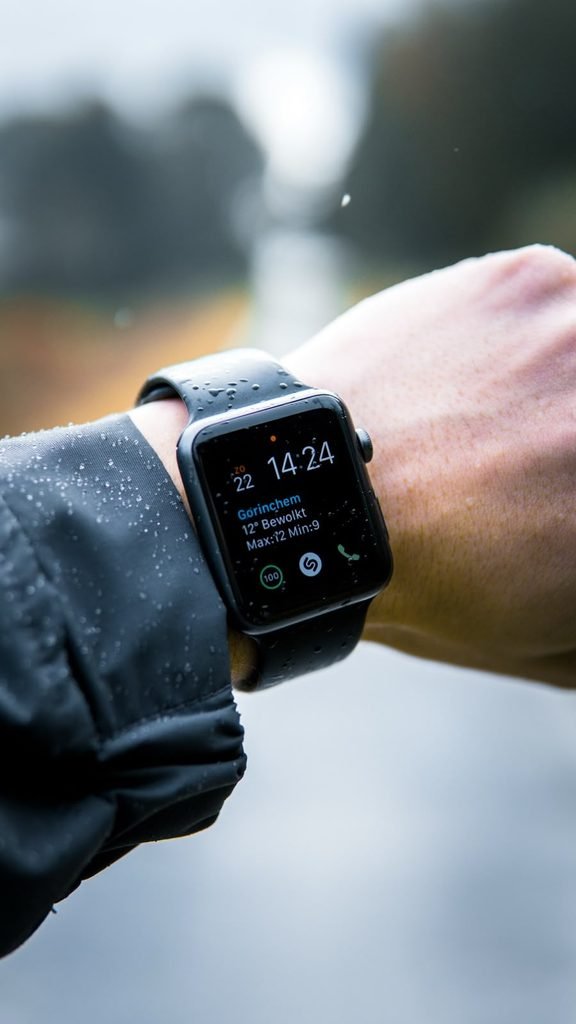
Always purchase your wearable from a retailer with a generous return window (such as 14 to 30 days) and wear it continuously for a week. Testing it during your actual daily routine — sleeping with it, exercising, showering, and managing work notifications — removes purchase pressure and guarantees you make an informed investment.
11. Custom Watch Faces and Software Interfaces: Personalizing Your Daily Display
Your smartwatch screen is the visual interface you interact with dozens, if not hundreds, of times every single day. Unlike traditional mechanical timepieces with static dials, smartwatches allow you to completely transform your watch face to suit your current environment, mood, or professional requirements.
Why Software Customization Matters
A great watch interface does more than just look attractive; it provides at-a-glance utility.
- Complications and Widgets: Modern watch operating systems allow you to place small data points—called complications—directly onto your watch face. You can track live weather conditions, daily step progress rings, battery percentage remaining, upcoming calendar appointments, or local stock tickers without opening an app.
- Contextual Profiles: Many watches allow you to save multiple face layouts. You can use a clean, minimalist analog face for formal office meetings, and instantly switch to a high-contrast digital dashboard packed with fitness metrics when heading out for an evening trail run.
When evaluating a smartwatch, test the responsiveness of its companion app store and software launcher. A sluggish UI can make routine tasks frustrating, whereas a fluid operating system turns wrist interaction into second nature.
12. Smartwatch Notification Management: Staying Connected Without Sensory Overload
One of the most common complaints new smartwatch owners voice is that having a computer strapped to their wrist makes them feel constantly interrupted and overwhelmed by a relentless barrage of buzzes and chimes.
Mastering Wrist-Based Notifications
If every single email, social media alert, group chat message, and breaking news notification mirrors instantly onto your wrist, your smartwatch will quickly become a source of anxiety rather than convenience.
- Granular App Filtering: Take advantage of companion smartphone settings to block non-essential apps from sending alerts to your wrist. Reserve wrist notifications strictly for high-priority communication like direct phone calls, important calendar reminders, and direct messages.
- Haptic Feedback Customization: Adjust vibration intensities and tactile patterns so you can distinguish between a gentle reminder and an urgent text without even looking down at your wrist.
Learning how to curate your notification stream ensures you stay connected to what matters while protecting your personal focus and peace of mind.
13. Offline Music Storage and Standalone Bluetooth Audio Playback
For runners, cyclists, and gym-goers who despise carrying a bulky smartphone in their pocket while working out, offline music storage is an absolute game-changer.
Leaving Your Phone Behind
Many mid-to-high-tier smartwatches feature internal flash storage dedicated to caching media files directly on the device:
- Streaming Service Integration: Platforms like Spotify, Apple Music, and YouTube Music allow premium subscribers to download entire playlists, albums, and podcasts directly onto the watch storage over Wi-Fi.
- Direct Bluetooth Pairing: You can pair wireless earbuds (such as AirPods or Galaxy Buds) straight to your smartwatch, letting you enjoy high-fidelity music offline while out on a run without a phone in sight.
Before purchasing a fitness-focused watch, check its internal storage capacity (typically ranging from 4GB to 32GB) to ensure it can hold your favorite workout playlists alongside system apps.
14. Contactless Mobile Payments: Leaving Your Wallet at Home
The ability to pay for groceries, public transit, or a post-workout coffee using nothing more than a quick flick of your wrist has transitioned from a futuristic novelty into an indispensable everyday utility.
Security and Convenience of Wrist Pay
- NFC Chip Integration: Most modern smartwatches incorporate Near Field Communication (NFC) chips that link securely to digital wallet services like Apple Pay, Google Wallet, or Samsung Pay.
- Enhanced Security Layers: To prevent unauthorized charges if your watch is stolen, payment systems require you to input a short PIN code the first time you put the watch on your wrist. As long as the watch remains in contact with your skin, it stays unlocked; the moment you take it off, it locks automatically.
This feature is particularly invaluable during outdoor exercises when you don’t want to carry a bulky physical wallet or credit cards in your athletic shorts.
15. Safety Features: Fall Detection, Crash Detection, and Emergency SOS
Beyond fitness tracking and productivity, smartwatches have increasingly proven themselves as life-saving personal safety devices.
Lifesaving Built-In Sensors
- Hard Fall Detection: Utilizing advanced multi-axis accelerometers and gyroscope sensors, compatible smart watches can detect if you have suffered a sudden, severe fall (such as tripping on a rocky hiking trail or falling off a bicycle). If the watch senses you remain motionless after the impact, it displays an alert and can automatically place an emergency call to local authorities while dispatching your precise GPS coordinates to your designated emergency contacts.
- Car Crash Detection: Flagship wearables can recognize high-G-force automotive impacts, instantly triggering emergency response protocols if you are unresponsive following a vehicular accident.
- Manual SOS Triggers: Pressing and holding physical shortcut buttons allows you to silently summon help in uncomfortable or dangerous situations while walking alone at night.
For older adults, solo hikers, and commuters, these built-in emergency safety nets offer priceless peace of mind.
16. Smartwatch Strap Materials and Skin Sensitivity Considerations
While consumers obsess over internal processors, screen resolutions, and battery specs, the physical strap holding the watch to your wrist has a direct, everyday impact on your skin comfort and long-term wearability.
Choosing the Right Band Material
- Silicone and Fluoroelastomer: The default choice for most sports watches. They are waterproof, highly flexible, and easy to clean, but they can trap sweat underneath during intense workouts, occasionally causing skin irritation or rashes if not washed regularly.
- Woven Nylon Loops: Exceptionally breathable, lightweight, and infinitely adjustable via Velcro or hook-and-loop fasteners. They are widely considered the most comfortable option for continuous sleep tracking.
- Stainless Steel and Titanium Link Bracelets: Offer a polished, sophisticated aesthetic for formal occasions, though they add considerable weight and can catch arm hair if poorly engineered.
Having a couple of interchangeable straps allows you to match your watch band to your daily activity—wearing a breathable nylon band to bed and a rugged silicone band to the gym.
17. Companion Smartphone Apps and Health Data Ecosystems
A smartwatch is only as intelligent as the software ecosystem backing it up on your smartphone. When you purchase a wearable, you are also committing to the companion mobile application used to review your analytics.
Analyzing Your Metrics Deeply
- Data Visualization: Clean, intuitive dashboard apps make it easy to interpret complex physiological data, turning raw numbers into actionable insights regarding your daily caloric burn, sleeping heart rate resting averages, and cardiovascular fitness trends.
- Third-Party App Integrations: Ensure your smartwatch platform synchronizes smoothly with popular external health aggregators like Apple Health, Google Health Connect, Strava, MyFitnessPal, or specialized running coaching tools.
Choosing a watch with a robust, bug-free companion app ensures you will actually enjoy reviewing your progress rather than fighting with a clunky, disjointed software interface.
Frequently Asked Questions (FAQ)
Q1: Can I use an Apple Watch if I own an Android phone?
A: No. Apple Watches require an iPhone for initial setup and ongoing synchronization. They do not support pairing with Android devices.
Q2: Do I need to pay a monthly subscription to use a smartwatch?
A: Most smartwatches are fully functional out of the box without subscriptions. However, certain advanced fitness coaching platforms or LTE cellular connectivity features require nominal recurring monthly fees from your carrier or app provider.
Q3: Are smartwatches safe to wear while swimming?
A: Most modern mainstream smartwatches feature water resistance ratings ranging from 5 ATM (50 meters) to 10 ATM, making them safe for lap swimming and shallow water immersion. Always verify the specific IP or ATM rating before diving or engaging in high-velocity water sports.
Conclusion: Finding Your Perfect Match
The best smartwatch on the market is not necessarily the most expensive or feature-packed model available. It is the specific device that aligns naturally with your wrist size, daily lifestyle, and smartphone operating system.
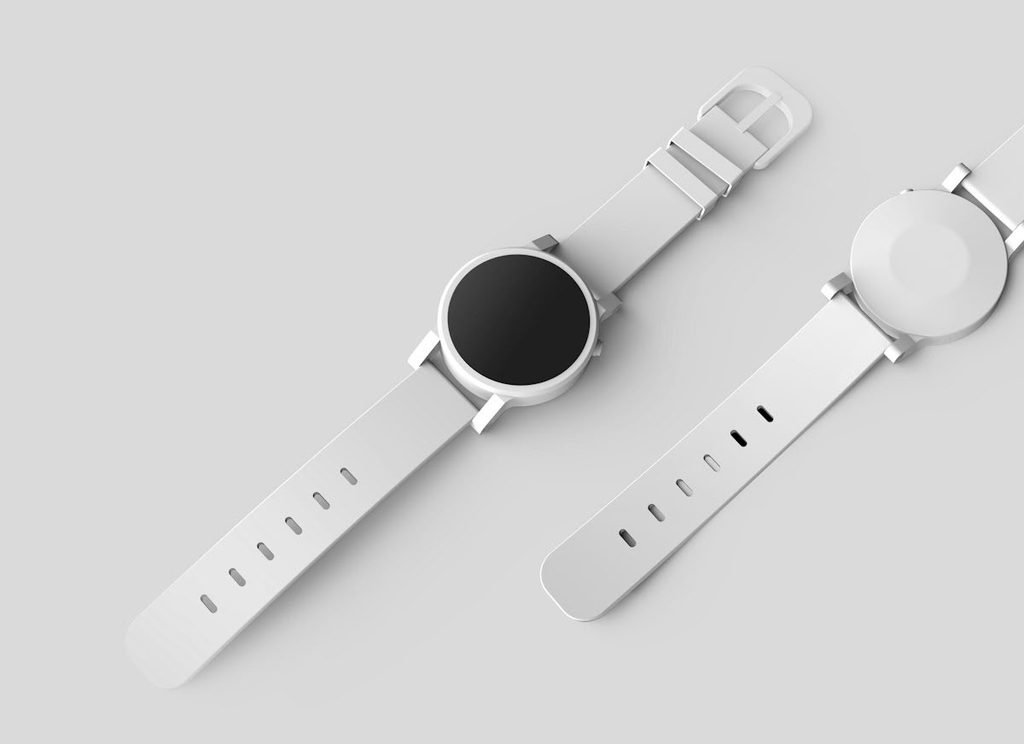
Whether you choose a minimalist fitness band that lasts two weeks between charges, an outdoor multisport watch built to conquer rugged mountain trails, or a polished smartwatch that keeps you effortlessly connected to your digital life, making a deliberate, informed choice ensures your new wearable becomes an indispensable daily tool.